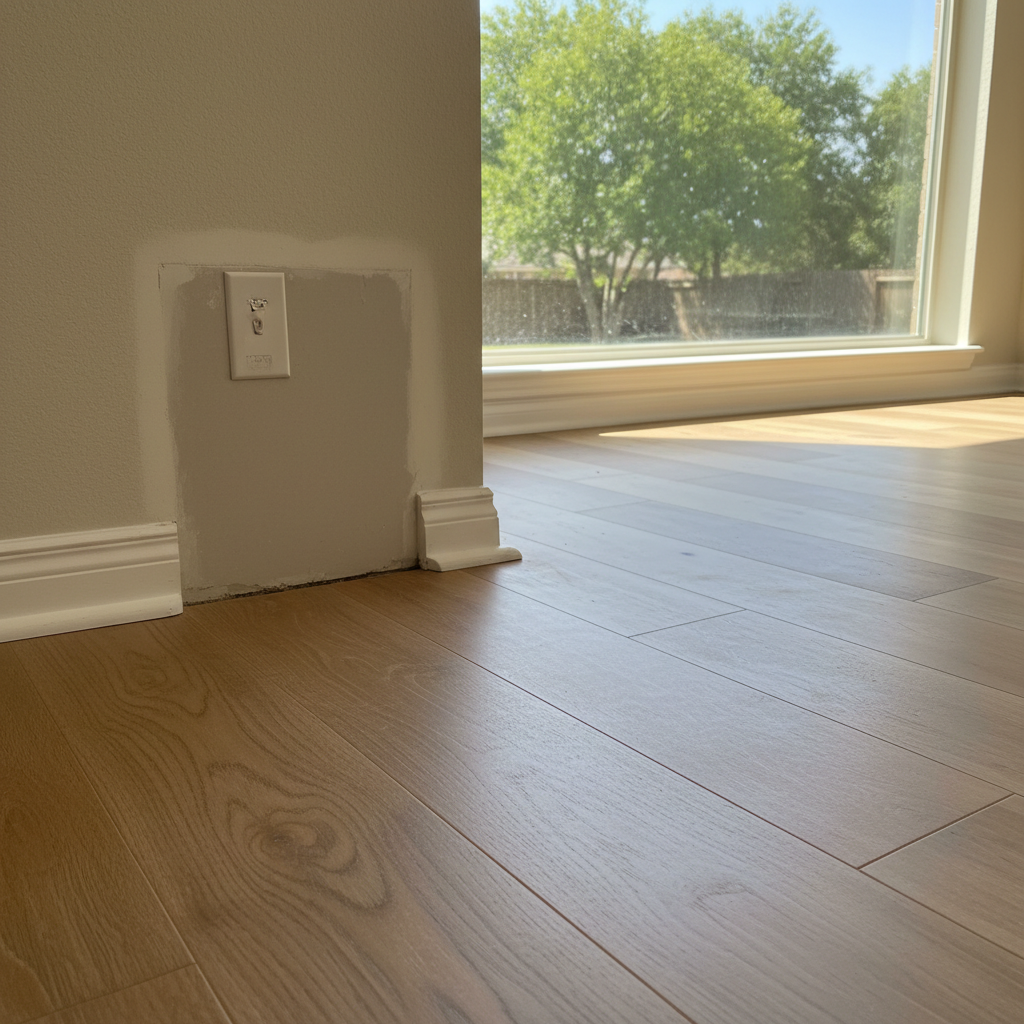
Water Damage Restoration does not wait for a convenient time. Whether a supply line let go under the kitchen sink or a severe summer storm drove water right through your window frame, you are looking at a mess that needs fast attention. North Texas weather can throw some serious weather events at our homes, and dealing with standing water is just part of the situation sometimes.
Before you do anything else, safety comes first. If water is anywhere near your electrical panel, outlets, or major appliances, turn off the power at the main breaker immediately. Do not go wading through standing water if there is a chance it is energized. Once you know the power is off, find the main water shut-off valve and stop the source if a pipe is the culprit. Knowing where that valve is located before an emergency happens will save you a lot of panic.
What You Can Handle Yourself
If you are dealing with a small spill or a minor overflow from a clean source, you can usually manage the initial cleanup without calling for backup. Grab every towel you own, pull out the wet-dry shop vac, and get to work sucking up the pooled water. Time matters here because our local red clay soil and humid summers mean things do not dry out on their own very fast. Pull up wet area rugs, get furniture off damp carpets by putting small pieces of aluminum foil or plastic wrap under the legs, and turn on your air conditioner or set up box fans to get air moving across the floors.
When It is Time to Call a Professional
Not all water is clean water. If that backup came from a toilet or a broken sewer line, step away immediately. That is category three black water, and handling it without proper protective gear and commercial disinfectants is a health hazard. You also need to call in help if the water has already wicked up into your drywall, soaked through the carpet padding, or sat for more than twenty-four hours. Hidden moisture behind walls will turn into mold faster than you would think in our climate.
True Value Restoration sees what happens when hidden moisture gets left behind in neighborhoods all over Prosper, from the older lots near downtown to the newer builds out by Windsong Ranch. Standard box-store fans are not going to cut it when subfloors and framing studs are saturated.
After the Immediate Threat is Handled
Once the standing water is gone, the real drying process begins. Professionals use industrial dehumidifiers and high-velocity air movers placed strategically to pull moisture straight out of building materials. Keep tracking the humidity levels inside your house. Document everything with photos and videos before you throw away ruined items, especially if you plan on filing an insurance claim. Acting fast keeps minor plumbing hiccups from turning into major structural repairs down the road.