A sudden pipe rupture can turn your home upside down in minutes. If you are dealing with water pouring through a ceiling or pooling across your floors, you need a clear roadmap of what comes next. Here is how a standard burst pipe repair and cleanup project unfolds for homeowners in neighborhoods from Windsong Ranch to the older established lots near downtown Prosper.
The Typical Project Timeline
Time matters when water is soaking into your subfloor or drywall. The whole process usually spans anywhere from 3 days to over a week, depending on how much structural drying is required.
Day one involves emergency shut-off, extraction of standing water, and removing ruined materials like soaked insulation or drywall. Days two through four focus entirely on industrial drying. Because our local clay soils shift heavily and trap humidity inside tight construction envelopes, running air movers and dehumidifiers long enough to prevent mold is important. Once moisture meters show normal readings, the rebuilding phase begins, which includes drywall hanging, texture matching, painting, and flooring replacement.
What to Expect During the Process
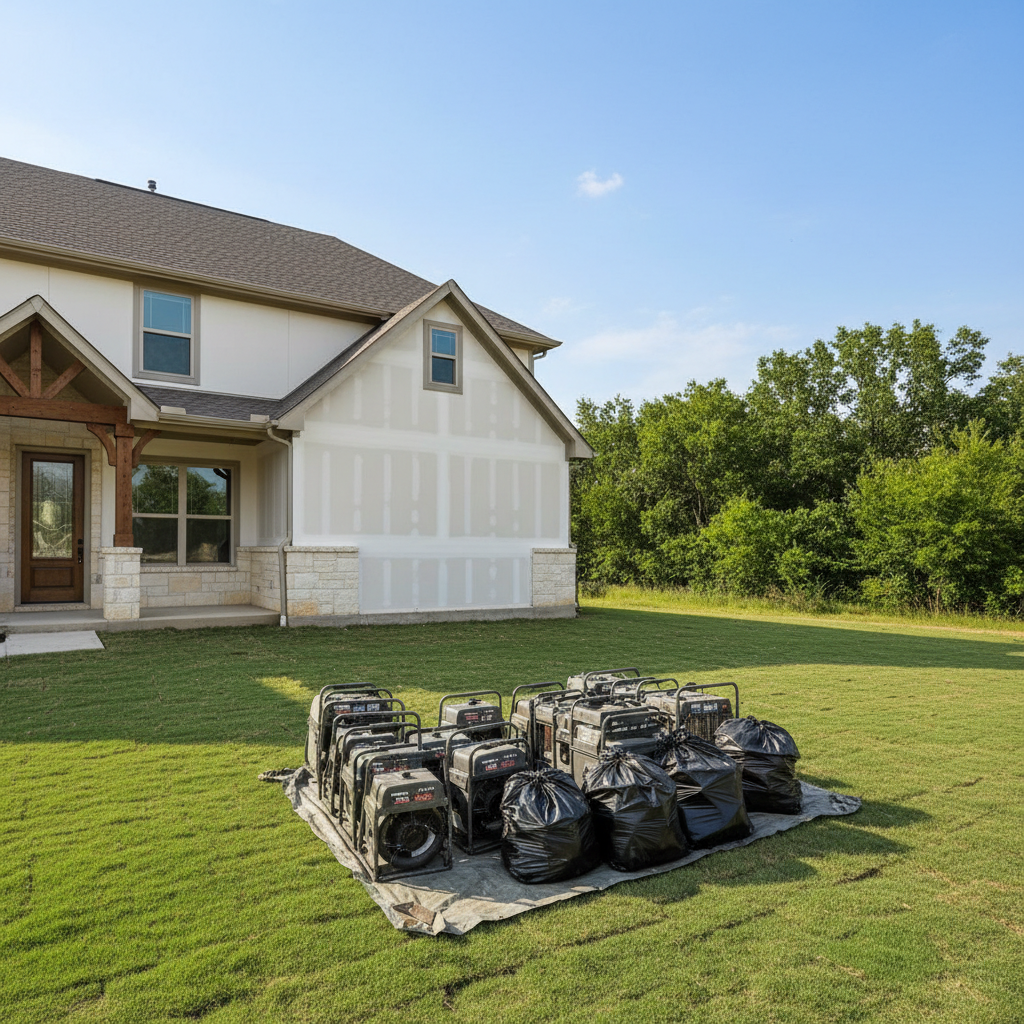
Expect some disruption to your daily routine. Industrial air movers are loud, and they use a noticeable amount of electricity while running around the clock. You will likely see plastic containment barriers set up to isolate the damaged work zone from the rest of your living space, keeping dust and debris contained during demolition.
True Value Restoration makes sure you know exactly which rooms remain safe to use while our crews work. Open communication keeps the stress down when your home is torn open for repairs.
How to Prepare Your Home
Before the repair crew arrives, you can take a few steps to keep the project moving smoothly. Clear out personal items, furniture, and electronics from the affected rooms and immediate pathways. If kitchen or bathroom supply lines ruptured, pack up nearby cabinets and set up a temporary station elsewhere in the house. Make sure the electrical panel and main water shut-off valve are easily accessible so technicians can work without delays.
Questions to Ask Before Signing a Contract
Never sign an agreement until you have straight answers. Ask these core questions to protect your investment:
- Are you licensed and fully insured for both plumbing repairs and structural restoration work?
- Do you work directly with my insurance carrier to document the damage and handle claims?
- What specific steps will you take to prevent mold growth in the wall cavities?
- Can you provide a detailed timeline and written warranty for the rebuild phase?
Getting these details locked down early makes sure your home gets put back together right the first time.